

A friend of mine in medical school told me about having to handle a woman who had passed. The woman had clearly done a fresh coat of nail polish that day. She woke up, was living her life, was doing things, and then done.
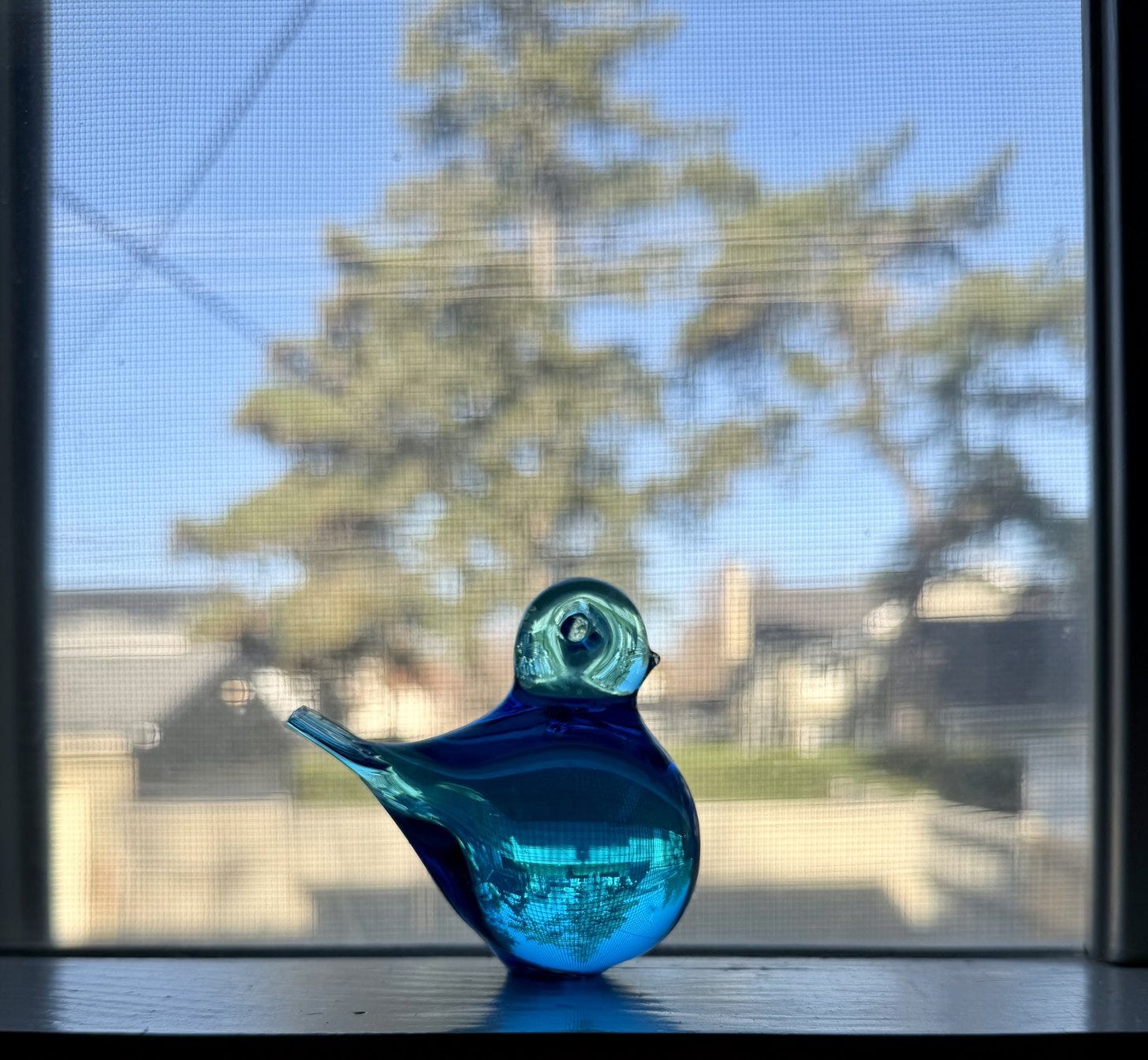
Even when death is expected, it feels so surprising to those left behind. So you live your day and blink, done, or say goodbye to someone in the evening and that might very well be the last time.
And then life has to move on. You mourn but have to live your day and keep taking care of life around you. It feels almost disloyal, but you don’t want to wallow.
You remember that person and hopefully appreciate people and relationships more, but it is human to get back in that hypnotic state that everything goes on forever.
I hope you're well Joe and curious about the impetus for this post.
Your description of that "hypnotic state" is essentially a biological mercy. If we were constantly, acutely aware of how fragile everything is we’d likely be too paralyzed to even tie our shoes. The brain creates this low-level hum of "normalcy" to drown out the existential roar. It’s a survival filter; it keeps the focus on the coffee in your hand rather than the vast, unpredictable void outside the window.
The irony, of course, is that while the trance keeps us functional, it also makes us sleepwalk. We treat time like an infinite resource until the moment the trance breaks, usually through grief, a near-miss, or a sudden change....and suddenly the world looks terrifyingly vivid.
Very wise.